20.5.19

The Role of Spirituality in Hospice Care


The Role of Spirituality in Hospice Care[1]

I.             Abstract
This paper is a discussion of the meaning of spirituality in hospice care. It presents a basic understanding of the concept of death, hospice care, and the reaction of patients and their families to a terminal illness such as cancer. The paper describes what amounts to an interdisciplinary team effort that for the care of terminally ill patients and their families. It particularly focuses on how spiritual care can provide an empathetic presence, and how prayer and hope work together to encourage patients to positively confront their illnesses and to reduce burdens on their loved ones.
II.          Keywords: Hospice care, mental pain, spiritual care, accompany.
III.       Introduction
During my period of theological studies, I attended the Clinical Pastoral Education (CPE) course at the Mackey Christian Hospital in Taipei. The aim of the course was to offer training for people who provide pastoral care in hospice or medical organizations. The course involved a total of four hundred hours which included discussing medical and pastoral issues, developing religious and psychological knowledge of terminal illness, and training in counseling skills to talk with patients and their families. Through many seminars and practical coaching activities, I studied how to work with doctors, nurses, social workers, and volunteers to take care of cancer patients and their families.
Entering sickrooms to visit patients and talk with them is a great challenge because the patients who receive treatment for terminal cancer are confronting death. Since the emotions of the patients change very fast, and their families are affected seriously, caregivers need to talk with them very carefully, being mindful not to say wrong words that can hurt anyone. Indeed, CPE is an ideal program for a pastoral minister to learn how to better cooperate with doctors, nurses and other staff members to accompany patients and their families, to pray with and for them, and to give patients mental and spiritual support when they face pain and death.
Thanks to my practical and academic experience, I reached the conclusion that spirituality and a concern for the spiritual play a very important role in hospice care. This also motivated me to do research on hospice care. While medical care can provide physical services, spirituality provides psychological and mental support to the patients and their families. Certainly, spiritual care may not directly help the patients recover their physical health. It can however provide patients and their families with the chance to find peace in their minds and souls.
IV.       Hospice and the definition of dying
Generally, while discussing hospice care, most people directly think about death. They may also consider hospice as a place where terminally ill patients wait for death, there being "no treatment" for their illness. So, what is death? Death is always a tough topic that people try to avoid talking about. And yet, no one can escape from death. "All living things die.”[2] In fact, people should not avoid discussing this critical issue. They should take death seriously, and do their best to understand and to have right concepts of death and its meaning. Furthermore, ideally, hospice care should help others understand that death is a very important part of their lives. Hence, this essay will try to explain death in the context of hospice care, particularly focusing on reactions to dying on the part of patients and members of their families as well. This can help reduce their fear of death, adjust their idea of death, and confront dying peacefully.
It is necessary to come back to the question of “what is death?” Death does not just happen for human beings, but for all living things in the world. All that lives in this world eventually must die, even if living things do not exactly know when they die. Puchalski Christina writes that “death is integral to the human mystery.”[3] It is obvious that no matter if a person is young, old, rich, or poor, he or she will die. Then why people must die and “what happen to them after death are questions that have no empirical answers.”[4] In order to have some suitable answers to the mystery of death, people certainly need to come back to the aspect of religion. In this way they will obviously see that the practice of the rituals of praying for the dead, burying the dead, and commemorating the dead may day by day express that death is not an ending, and actually there is a connection between dying and living. Religious rituals also reveal ideas of rebirth and/or the hope for life after death.
Although people normally connect ritual practices with religion, they surely know that ritual practices are related to cultural values and human relationships as well. Christian Puchalski expresses:
For many communities, death is something seen every day and the health of the community depends on how the village comes together to acknowledge and grieve as a whole. One can say that deep down we know how to care for each other in these moments, because we have been doing it for a very long time.[5]
In fact, death is a very important part of human life, not only for an individual but also for family and community members. As a result, fear of death, understanding of death, confrontation of death, and grief over death are needed for a patient and for a whole community as well.
A natural question we might ask is, what does the Bible say about death? According to the Book of Genesis, people at the beginning of time had a good relationship with God. Since their ancestors Adam and Eve committed original sin, however, God punishes all of the human race. He says, “By the sweat of your face will you earn your food, until you return to the ground, as you were taken from it. For dust you are and to dust you shall return.”[6] Certainly, the Bible says that death is a punishment from God because of "the fall," which means everyone has to die. After death, there may also be a time of punishment that no one can escape. The Letter of James says: “As a body without a spirit is dead, so is faith without deeds.”[7] When people die, their bodies are buried, and their souls are judged. James: “Since human beings die only once, after which comes judgment.”[8] Adam sinned, and caused the entire human race to be sentenced to death. But the new Adam, Jesus Christ, can help humanity come out of the bondage of death. Whoever believes in Jesus and lives out his teachings will be saved, and share in eternal life in heaven with God and all the saints. On the contrary, whoever commits sin and is unwilling to keep his commandments will be punished in hell. However, God so loves humankind that he prepared a place called “purgatory,” for purification from lesser sins prior to entry into “paradise.”
Indeed, death is not the end, but a beginning of new life. Since human beings broke the law of God by eating the forbidden fruit, they must confront death. In other words, the flesh is made of dust, so the flesh must undergo physical death. The soul, however, is spiritual, so it belongs to heaven or to hell depending on how people live in this life. The Lord is the final judge, and punishes people for their sins, even as he offers a first step to reconciliation by the sending of his only Son to rescue them from death. Indeed, death is frightening and painful. Yet, faith in Jesus Christ says, death is not an end, but an opportunity to begin a new life with God in heaven.
V.          The Journey of Illness: the reactions of a patient who confronts pain
To deal with a terminal illness such as cancer, patients must face several challenges which become factors that are commonly associated with their demoralization, includingearly medical illness, multiple losses, abrupt and dramatic life changes, bodily disfigurement, chronic physical illness, multiple ineffective treatments, dysfunctional family dynamics, unmanaged counter transference on the part of clinicians, and social isolation.[9]
In different stages of treatment, terminal patients may have different levels of anxiety. First, they feel denial and isolation when they receive the news they have cancer. They do not want to accept this reality. They say, “It cannot be me." Second, they get angry easily, since they slowly feel that their body is weakening. As they suffer mentally, with the realities of cancer firmly on their mind, they may sense a feeling of guilt, and begin to ask, “Why me?" Third, the patient may start to complain about the uselessness of treatment. Finally, patients suffering with cancer may slowly change their mind, and become willing to cooperate with the doctor. Indeed, they say, “Yes, it’s me, butLord, heal me.” Next, they feel frustrated and depressed because no miracle happens, their body becomes weaker, and they finally can say, on an even deeper level, “Yes, it is me.” In fact, their final step is that they accept the facts. With the help of others, the patient turns to believe that death is a reality. They come to say, “I am ready.” Then, they calmly accept a good dying.[10]
This study has determined that patients have to face many kinds of anxiety. However, they are often not aware that anxiety affects their way of thinking, feeling, and even their physical selves.[11] Therefore, it is necessary to educate the patient to know the reasons of anxiety. If the hospice care team knows how to help the patients, they will not feel they are “going crazy” and losing control of their body and mind.[12] Moreover, they will be willing to discuss their impressions with the medical team, and ask questions about various medical treatments available to them, or other ways to help them overcome these anxieties.
According to the study, patients and their families are obviously influenced by previous experiences of conflict and anxieties which affect their emotions and actions. It is also difficult for medical caregivers to decide on the best ways of treatment for patients who are seriously ill. In addition, many patients and their families may be influenced by media that present various negative ideas on hospice care; they particularly think that a hospice is simply a place to wait for dying. Indeed, patients who are terminally ill, and their families also are vulnerable people in end-of-life care. Hospice care therefore not only provides physical assistance, but also “promotes a largely formal and instrumental engagement of religion and spirituality.[13]
VI.       Spiritual care affects hospice care
This essay presents the view that “all the models of care in medicine, nursing, psychology, and others, hospice and palliative care most often recognize the importance of spiritual issues in the care of patients and their families.[14] Traditional medical care focused on the treatment of body, but in the case of hospice today, people recognize the importance of whole care, which means a patient needs to be taken care of as a holistic person, which includes care for the physical, the psychosocial, and the spiritual in a person. Indeed, spiritual care can positively affect the entire process of treatment.
How to understand spiritual care in this case? How to define the meaning and importance of spirituality in hospice care? Is this a matter of religion? What does spirituality mean for a non-religious patient? Mark Cobb has written, "Spirituality is broader than religion; in listening for spiritual or existential themes from patients, it is important to recognize that spirituality can be expressed in many different ways.[15] For many people, spirituality is something related to a church or some type of community related to religious faith. Spirituality includes various practices of ritual, prayer, or meditation of a religion or a group of people. Some people think that spirituality expresses itself in the form of a friend, a member of the family of the patient, or someone serving as a care-taker, or as a companion at this very special juncture of life. These special "spiritual persons" become an important part in their lives, supporting and encouraging them at a time of special need. Indeed, a sense or deep feeling for a mission of care for the sick and dying is but a part of a long tradition of contributions both to medical and spiritual care. But in modem times, concerns rooted in the spiritual may appear as “secular, rational and scientific approaches to life and death.[16] For instance, a religious person, such as a member of the clergy or a monk working in a hospice or medical center, can contribute as a member of “a multidisciplinary care team.”[17] To meet their responsibilities well, these persons must understand the principle of teamwork, and be trained in skills for cooperation with others in pursuit of total care: physical, emotional, social and spiritual.
To understand the meaning of spirituality better, we can probably begin by asking what issues draw the most concern from patients who suffer a terminal illness and are dying. Persons who are seriously ill often provoke deep questions, such as what is the meaning of life, what is the purpose of life, and what they hope for the future. For these questions, caregivers truly need to come to a spiritual point of view. As Christian said:
Spirituality helps give meaning to suffering and helps people find hope in the midst of despair. In the midst of suffering, a skillful, caring, and compassionate health care professional can be an important anchor in which the patient can find solace and the strength to move through distress to peace and acceptance. [18]
Certainly, spirituality is central to persons in the process of dying who need an expert to consistently accompany them and help them find the meaning of life, suffering, and hope. When patients confront a mortal problem, they sometimes struggle with spiritual suffering such “as inner distress, grief, loss, hopelessness, worry, and isolation.”[19] In such moments, they need persons nearby with a sensitivity to the spiritual in life, someone willing to sit with them, to listen to them, give them support, and lead them to a peaceful experience of what they themselves understand as the meaning of life. This may lead to a feeling of deep gratitude for the gift of life itself. Being grateful for life and having a sense of gratitude for life could work in opposition to spiritual pain and lead to a richer, deeper life.[20]
In fact, spirituality has been seen as a way to help patients rebuild relationships which refer to the relationship of a patient with self, with others, with nature, and with God. Firstly, the relationship with self means they need to come back with their own to grasp the dignity of life and value of life. Spirituality helps them “be able to reach self-acceptance, self-reconciliation and peace.”[21] Secondly, relationship with others is very important and meaningful for patients because they need to receive love and share love through the support and companion of their family and friends. Thirdly, a relationship with nature is also necessary for patients. As one researcher puts it, “being in touch with the beauty of nature could bring comfort and inspiration, reduce anxiety and lead to a sense of wonder at the greater meaning of life. Music could uplift and inspire creativity and inner peace.”[22] Finally, relationship with God is an especially important relationship that patients want to maintain in the hope of “protecting patients from the fear of death and loneliness, and giving strength, comfort and peace.”[23] As a result, by accompanying, praying, meditating, spiritual care can help patients know how to communicate with God or remain in a peaceful feeling to comfort their pain and illness.
In addition, spiritual care can provide patients with hope: hope of being healed, hope of peace, and hope of a better life after death. Research suggests that “spiritual beliefs contributed to hope; even affirmed atheists spoke of their beliefs in the afterlife, in the anticipation of a spiritual existence after death and being able to meet loved ones again.”[24] These works of research have proven that spiritual care plays a very important role in hospice care. Undoubtedly, spiritual care contributes much. It is an enrichment that helps patients to reach a sense of connection with life, others, nature, and God in a peaceful relationship.
VII.    Conclusion
Speaking personally, the greatest lesson I have learned in this study is a deepened understanding of the value of interdisciplinary work in hospice care. This type of cooperative effort is a new way that can serve patients with terminal illness when they confront anxieties related to the process of dying. In different periods of time, patients have to face different states that include physical and mental pain, and possibly intense experiences of anxiety, depression, hopelessness, disintegration of human relationships, or anger at God.
Traditional medical care can offer patients physical treatment. Only well planned hospice care, however, can provide the whole sense of well-being in which spiritual care plays a critical role. While confronting illness and suffering pain, patients are often “broken" in their relationships with themselves, with others, or with God. Spirituality enables patients to rebuild relationships their illness has negatively affected.  Moreover, with the service of spiritual care, many individuals expressed a hope for improved family relationships, others expressed the desire for 'healing relationship' with others, with nature and with God.” With the presence of spiritual care, many patients change their attitude about life and death. They begin to think more positively, understand the dignity of life, respect others, and contribute to the people around them as well as they can. In this case, spirituality may not be a religion, but rather a constant presence to listen, to emphasize, and to share the burden of patients and their families. Obviously, this way can help patients gain a new hope for the afterlife, a better place, such a paradise, heaven, or an eternal life with Lord Jesus, Buddha, Allah, or other divinities in whom they may believe.
VIII. References
Strada, E. Alessandra. The Helping Professional’s Guide to End-of-Life Care: Practical Tools for Emotional, Social, & Spiritual Support for the Dying. New Harbinger Publications, 2013.
Cobb, Mark, and Robshaw, Vanessa. The Spiritual Challenge of Health Care. Churchill Livingstone, 1998.
Singer, Peter. Rethinking Life and Death: the Collapse of Our Traditional Ethics. St. Martin’s Griffin, 1996.
Puchalski, Christina M., and Ferrell Betty. Making Health Care Whole: Integrating Spirituality into Health Care. Templeton Press, 2010.
Mei-hui, Pan. Confront Death. Brysterian Press, 1998.
Bryant, Clifton D. Handbook of Death and Dying. Sage Publications, 2003.
Bramadat, Paul Coward, et al. Spirituality in Hospice Palliative Care. State University of New York Press, 2013.
Gates, George N. “Where Is the Pastoral Counselor in the Hospice Movement?” Journal of Pastoral Care, vol. 41, no. 1, 1987, pp.32–38.
Greeves, Trish T. “Liturgy for Last Days: Pastoral Reflections on Acknowledging and Supporting the End-of-Life Experience.” Journal of Pastoral Care & Counseling, vol. 70, no. 3, 2016, pp. 186–189.
Edwards, A et al. “Review: The Understanding of Spirituality and the Potential Role of Spiritual Care in End-of-Life and Palliative Care: a Meta-Study of Qualitative Research.” Palliative Medicine, vol. 24, no. 8, 2010, pp. 753–770.
Reblin, Maija et al. “Strategies to Support Spirituality in Health Care Communication: A Home Hospice Cancer Caregiver Case Study.” Journal of Holistic Nursing, vol. 32, no. 4, 2014, pp. 269–277.
Recharch, E. et al. “What is Spirituality? Evidence from New Zealand Hospice Study.” Mortality, vol. 16, no. 4, 2011,  pp.307-324.
Collins, Andrew et al. “Hope Tree: An Interactive Art Installation to Facilitate the Expression of Hope in a Hospice Setting.” American Journal of Hospice and Palliative Medicine, vol. 35, no. 10, 2018, pp. 1273–1279.
James T. Bretzke. “A Burden of Means: Interpreting Recent Catholic Magisterial Teaching on End-of –Life Issues.” Journal of the Society of Christian Ethics, vol. 26, no. 2, 2006, pp. 183-200.
Charles J. Lopez Jr. “Hospice Chaplains: Presence and Listening at the End of Life.” Current in Theology and Mission, vol. 45, no. 1, 2018, pp. 45-51.
Julie J. Exline et al. “The Spiritual Struggle of Anger toward God: A Study with Family Members of Hospice Patients.” Journal of Palliative Medicine, vol. 16, no. 4, 2013, pp. 369-376.


[1] This essay was written under the instruction of Mrs. Nancy Michael in a “High Intermediate ESL Writing and Grammar” class of the Spring semester, 2019. I received help from a professor friend in improving the English language use in this study. The revisions I received did not affect the content or organization, which is totally my own. English is not my mother tongue, and I am grateful to all who help me to improve. 
[2]Singer, Peter. Rethinking Life and Death : The Collapse of Our Traditional Ethics. St. Martin’s Griffin, 1996, p. 21.
[3]Puchalski, Christina M., and Ferrell Betty. Making Health Care Whole: Integrating Spirituality into Health Care. Templeton Press, 2010, p. 26.
[4]Ibid., p. 26.
[5]Ibid., p. 26.
[6]Gen. 3:16-18.
[7]James 2:26.
[8]Heb. 9:7.
[9]Strada, E. Alessandra. The Helping Professional’s Guide to End-of-Life Care : Practical Tools for Emotional, Social, & Spiritual Support for the Dying. New Harbinger Publications, 2013, p. 82.
[10]Mei-hui, Pan. Confront Death. Brysterian, 1998, p. 74.
[11]Strada,  p. 119.
[12] Ibid., p. 126.
[13] Bramadat, Paul Coward, et al. Spirituality in Hospice Palliative Care. State University of New York Press, 2013, p. 87.
[14]Puchalski, p. 14.
[15]Cobb, Mark, and Robshaw, Vanessa. The Spiritual Challenge of Health Care. Churchill Livingstone, 1998, p.166.
[16]Ibid., p. 167.
[17]Ibid., p. 167.
[18]Puchalski, pp. 3-4.
[19]Ibid., pp. 5-6.
[20]Gates, George N. “Where Is the Pastoral Counselor in the Hospice Movement?” Journal of Pastoral Care, vol.41, no.1, 1987, p.37.
[21]Edwards, A et al. “Review: The Understanding of Spirituality and the Potential Role of Spiritual Care in End-of-Life and Palliative Care: A Meta-Study of Qualitative Research.” Palliative Medicine, vol. 24, no. 8, 2010, p. 759.
[22]Ibid., p. 759.
[23]Ibid., p. 759.
[24]Ibid., p. 458.

8.4.19


CẢM THÔNG NỖI VẤT VẢ CỦA LINH MỤC TRONG MÙA CHAY


(Hình sưu tầm)

Người Công giáo Việt nam chúng ta có truyền thống siêng năng xưng tội, nhất là trong dịp Mùa Vọng và Mùa Chay. Ai nấy đều thuộc lòng lời dạy của Giáo Hội rằng, “xưng tội trong một năm ít là một lần, nhất là trong Mùa Phục Sinh.” Vì thế hằng năm, cứ vào các mùa này, các giáo xứ đều tổ chức tĩnh tâm, giúp giáo dân dọn mình xứng đáng để xưng tội. Nhiều giáo xứ lớn, một mình cha xứ không thể giải tội hết nên phải mời các cha khách tới giải tội. Mặc dầu có nhiều cha ngồi tòa giải tội nhưng giáo dân phải xếp hàng rất lâu mới xưng được tội. Như vậy, giáo dân phải đợi lâu, và các cha cũng phải ngồi tòa rất dài, thậm chí việc giải tội lại trở thành một gánh nặng cho các cha.
Gánh nặng đầu tiên là sự mệt mỏi về thể xác. Khi giải tội trong Mùa Chay, có lúc các linh mục phải ngồi suốt cả mấy giờ đồng hồ. Việc giải tội dài như vậy đòi hỏi các cha phải kiên nhẫn để lắng nghe, nhằm hiểu được tội của giáo dân nặng nhẹ như thế nào nhằm đưa ra lời hướng dẫn đúng đắng cũng như việc đền tội xứng đáng, nhằm giúp việc sám hối của giáo dân được hiệu quả. Thực tế cho thấy, giáo dân cứ lần lượt người này xưng xong rồi người khác lại đến, còn linh mục thì phải ngồi yên một chỗ., có lúc linh mục ngồi tòa cả ngày vẫn không giải tội hết cho giáo dân.
Lúc mới chịu chức, tôi về quê tạ ơn và nghỉ phép. Lúc đó đúng nhằm vào dịp Tuần Thánh, tôi được cha xứ mời giúp Tuần Thánh cho một giáo xứ mà ngài kiêm quản. Giáo xứ này gồm 3 giáo họ, tổng cộng có hơn 3 ngàn giáo dân. Còn nhớ lúc mới là chủng sinh, tôi rất thích tấm gương thánh Gioan Vianey, một vị linh mục người Pháp, rất khiêm tốn và siêng năng ngồi tòa để giáo dân được lãnh nhận Bí Tích Hòa Giải. Tôi đã ước ao sau này trở thành linh mục cũng sẽ dành nhiều thời gian giải tội cho giáo dân giống như ngài. Vì thế, khi đã có cơ hội phục vụ, tôi đã ngồi toà suốt cả ngày trong ngày thứ Tư và thứ Năm Tuần Thánh, rồi có dự tính giải tội thêm ngày thứ Sáu. Nhưng sau hai ngày tôi giải tội được gần sáu trăm người, tôi đã kiệt sức, không muốn ăn uống gì cả, lại có cảm giác buồn nôn, choáng váng, và rồi tôi phải nhập viện điều trị ngay ngày Thứ Sáu Tuần Thánh.
Gánh nặng về sức khỏe của linh mục khi giải tội lớn như vậy đó; ngoài ra áp lực về tinh thần của các ngài trong các dịp lễ trọng này cũng rất đáng lớn. Ví dụ khi các ngài phải giành nhiều thời gian cho công việc chuẩn bị chương trình phụng vụ, lại còn giành thời gian giải tội, vì thế có lúc tâm trí của các ngài dễ trở nên rất nặng nề. Thậm chí vì các ngài không có nhiều thời gian để cầu nguyện và suy gẫm lời Chúa, nên tinh thần đã nặng nè càng nặng nề thêm.
Có lúc các linh mục cũng muốn sống một cuộc sống an nhàn, làm việc vừa phải, tiếp khách có giờ có giấc, thế nhưng khi có người muốn xưng tội, thì các ngài cũng không thể từ chối, vì các ngài biết rất rõ, sứ vụ của mình là thay mặt Chúa Kitô, để làm trung gian hòa giải giữa các tín hữu và Thiên Chúa. Tôi nhớ có lần Đức Giáo Hoàng Biển Đức 16 nói cho các linh mục rằng “các hối nhân có thể tìm thấy lòng trắc ẩn, lời khuyên và sự thoải mái, cảm thấy mình được Thiên Chúa yêu thương, được hiểu và cảm nghiệm được sự hiện hữu của Lòng Chúa Thương Xót bên cạnh sự hiện hữu của Thánh Thể”. Vì thế các linh mục đã không quản ngại vất vả để ngồi tòa hầu trở thành một “khí cụ của lòng thương xót,” trở thành một người cha nhân từ, những thẩm phán thiêng liêng, thầy dạy mà nhà giáo dục tu đức cho giáo dân.
Thưa anh chị em, cứ vào dịp Mùa Chay hay Mùa Vọng, cá nhân tôi rất thương các linh mục coi xứ, nhất các cha phục vụ tại các giáo xứ lớn. Còn anh chị em thì sao? Anh chị em là những người được mời gọi đồng hành với các linh mục, có người làm việc với các ngài trong các Hội đoàn của giáo xứ. Hãy cầu nguyện cho các linh mục của mình và giúp các ngài hoàn thành các công việc của giáo xứ theo khả năng anhc chị em có thể. Ngoài ra, có thể có nhiều lúc anh chị em không bằng lòng về các linh mục của mình, vì những ý kiến bất đồng, vì không được lắng nghe, vì không được giúp đỡ hay không được các ngài quan tâm thăm hỏi, hãy thông cảm cho những “sơ suất” của ngài và thông cảm cho các ngài.
Ngoài ra, tôi cũng khuyên anh chị em, nếu chúng ta có nhu cầu muốn xưng tội thì bất cứ lúc nào cũng có thể gặp cha xứ hoặc cha khách để xin được xưng tội, đừng chờ đến những ngày cuối cùng của Mùa Chay hay Mùa Vọng mà xếp hàng hằng giờ mới xưng được tội, như thế đỡ phần “tội nghiệp” cho anh chị em và cũng bớt đi phần vất vả cho các linh mục của anh em.
Washingto DC, Mùa Chay 2019
LM. Antôn Phạm Trọng Quang, SVD


8.3.19

BÍ QUYẾT ĐỂ SỐNG TRỌN VẸN TINH THẦN MÙA CHAY


Hằng năm, cứ vào Mùa Chay là mọi người nhắc nhớ nhau ăn chay kiêng thịt, siêng năng cầu nguyện và thực thi bác ái. Đặc biệt những năm gần đây, khi internet phổ biến, người Công Giáo đã tích cực chia sẻ nhiều hình ảnh và thông tin về Mùa Chay để lý giải ý nghĩa của Mùa Chay cho mọi người hiểu và thực hành tinh thần của Mùa Chay. Vào ngày thứ Tư lễ Tro bên Mỹ, khi đến trường, tôi thấy chính giáo viên và mấy người bạn học trong lớp còn để vết tro hình thánh giá trên trán khi đến lớp. Dĩ nhiên, trước khi vào học, mọi người cũng chia sẻ sơ qua về cảm nghiệm của mình khi tham dự thánh lễ thứ Tư Lễ Tro. Như thế chúng ta đã chính thức bước vào Mùa Chay, mùa của chay tịnh, mùa của cầu nguyện và mùa của chia sẻ tình thương. Trong tâm tình này, người viết xin được chia sẻ thêm một vài cảm tưởng của mình về ba hành động quan trọng nói trên trong Mùa Chay của Giáo Hội.

Ăn Chay

Đối với việc ăn chay, có vẻ không khó khăn lắm đối với nhiều người trong xã hội ngày hôm nay, vì ngày nay cơ thể ai cũng đủ cường tráng và khỏe mạnh. Xin nói vui một chút, ngày nay đa số ai cũng “dư mỡ thừa cân”, bởi thế Mùa Chay nếu giảm ăn có thể giúp giảm cân và có lợi cho sức khỏe. Còn kiêng thịt, cũng là một việc rất dễ thực hiện cho nhiều người trong thời đại ngày nay, vì thịt ngày nay còn rẻ hơn rau quả, với lại nếu ăn thịt nhiều càng dễ gây dư mỡ thừa cân, cho nên, có vẻ ăn chay kiêng thịt thực sự là một việc hữu ích thực thụ cho cơ thể và cho túi tiền. Tuy nhiên, để giữ trọn chay tịnh hình như vẫn là việc rất khó đối với nhiều người Công Giáo chúng ta. Vì vậy, rất nên suy nghĩ thêm về tinh thần ăn chay để làm sao việc ăn chay của chúng ta trở nên có ý nghĩa và dễ dàng hơn?

Tôi còn nhớ, mấy năm trước khi còn dạy học ở trường học Công Giáo FuJen ở Đài Loan, có một nhóm người tín hữu Tin Lành vào gặp tôi và trình bày một chương trình gọi là “Ji-e 12”(飢餓二十), tạm dịch là “12 Giờ Nhịn Đói”. Mục đích của họ là mời gọi học sinh tham gia một chương trình nhịn đói suốt 12 giờ đồng hồ. Suốt một ngày không ăn uống gì là để dành tiền ăn ngày hôm đó giúp cho các em học sinh nghèo ở Châu Phi. Ý tưởng này ban đầu tưởng chừng như không thành. Nhiều người nghĩ, không thể mời gọi các em học sinh nhịn ăn suốt một thời gian dài như vậy. Thứ nhất, các em học sinh rất thích ăn vặt, họ sẽ không đủ kiên nhẫn để giữ trọn một việc làm có nhiều thử thách đến thế. Thứ nhì, việc nhịn đói sẽ ảnh hưởng đến việc học của các em học sinh. Thế nhưng khi chúng tôi trình bày ý tưởng này thì có rất nhiều học sinh hưởng ứng, thậm chí chúng tôi phải giới hạn con số tham gia.

Điều đáng ngạc nhiên nữa là các em đã nhịn đói suốt ngày hôm đó mà không ai có hiện tượng bất thường nào. Mặc dù ban tổ chức đã chuẩn bị một ít sữa và bánh ngọt để kịp thời tiếp ứng nếu học sinh có biểu hiện đuối sức, nhưng suốt ngày hôm đó các em vẫn học tập và sinh hoạt rất bình thường. Thậm chí sau này có nhiều em còn thành công trong việc tham gia chương trình nhịn ăn suốt 30 giờ vì người nghèo.

Như vậy, việc nhịn ăn một ngày hoặc một bữa ăn của một người bình thường là một việc làm rất dễ dàng nếu chúng ta có động lực và hiểu được ý nghĩa của nó. Còn không, ngày mà chúng ta ăn chay, lại là lúc chúng ta cảm thấy đói và “thèm ăn” đến lạ lùng. Có thể đây là một vấn đề tâm lý hay một lý do có tính siêu nhiên chăng. Có ý kiến cho rằng, lúc chúng ta ăn chay thì chúng ta luôn nghĩ trong đầu rằng “hôm nay tôi ăn chay”, nên chúng ta luôn cảm thấy mình đang “rất đói” và mong cho thời gian qua nhanh để “giải quyết” cái đói tâm lý của mình. Vậy thì, làm thế nào để chúng ta vượt qua được cái đói đó? Đó là cầu nguyện.

Cầu nguyện

Về phương diện siêu nhiên, khi chúng ta đang ăn chay thì cũng là lúc chúng ta đang gặp nhiều chước cám dỗ. Ma quỷ luôn nói với chúng ta rằng: “tội nghiệp quá, ở đây có món ngon nè, ăn đi”; có lúc chúng nói: “buổi sáng nhịn đói, buổi trưa ăn cơm ít, lại không ăn thịt, giờ đói bụng rồi thì ăn miếng bánh đi”; hay chúng lại nói: “ăn chút trái cây, uống ly sữa thôi mà, không có sao đâu”. Ma quỷ luôn tìm cách cám đỗ chúng ta như ngày xưa chúng cám dỗ Chúa Giêsu khi Ngài đang ăn chay và cầu nguyện trong hoang địa vậy. Khi Chúa đói, chúng còn bảo Chúa biến đá thành bánh để ăn. Và Chúa Giêsu cũng đã dùng chính việc cầu nguyện để vượt qua những thử thách đó của ma quỷ. Ngài trả lời với ma quỷ: “Con người sống không nguyên bởi bánh nhưng bởi lời Thiên Chúa.” (xem Luca 4:3-4)

Mặt khác, cầu nguyện sẽ giúp chúng ta hiểu sâu hơn ý nghĩa của việc ăn chay. Cầu nguyện ở đây không chỉ có đọc kinh, hay tham dự các nghi thức phụng vụ, mà là nhờ ơn Chúa soi sáng, chúng ta suy niệm về ý nghĩa cuộc đời của mình. Trong đời sống của chúng ta, luôn được đón nhận nhiều ân huệ của Thiên Chúa. Thiên Chúa, vì yêu thương chúng ta mà đã ban cho chúng ta có đầy đủ sức khỏe, tài năng và kiến thức, và nhiều điều tốt đẹp khác nữa để chúng ta sống và làm việc. Chúa yêu chúng ta nhiều như vậy thì trong cầu nguyện, chúng ta cũng hiểu được cần biết cảm ơn Ngài và yêu thương mọi người, vì họ là anh chị em của chúng ta. Chính nhờ giờ suy gẫm và cầu nguyện mà chúng ta cũng thấy được xung quanh chúng ta có biết bao anh chị em đang gặp bao đau khổ, đói khát và bệnh tật, cần sự quan tâm và giúp đỡ của chúng ta.

Đó là mấu chốt mà các bạn học sinh trường FuJen đã hiểu và có động lực để vượt qua thử thách của chương trình “12 Giờ Nhịn Đói”. Các nhà tổ chức đã dùng những câu chuyện trong Kinh Thánh để giải thích cho học sinh về việc nhịn đó của họ. Điều này cũng giúp các học sinh phản tỉnh về cuộc sống của từng người, họ hiểu biết được ý nghĩa cuộc đời của mình. Họ biết mình là những người may mắn, được cha mẹ nuôi nấng dạy dỗ, được thầy cô hướng dẫn và bạn bè yêu thương đồng hành. Còn trong xã hội này có quá nhiều bạn trẻ kém may mắn, không có đủ cơm ăn áo mặc, không có điều điện để đến trường, các bạn cần phải làm chút gì đó để giúp đỡ người khác. Bởi thể họ có động lực để vượt qua những thách thức về vật chất, và việc nhịn đói 12 tiếng đã trở nên dễ dàng hơn đối với họ. Họ mong chương trình này sẽ mang được nhiều niềm vui đến cho những ngưới mà họ muốn giúp đỡ. Như vậy, mục đích của việc ăn chay và hoa quả của sự cầu nguyện làm phước bố thí.

Bố thí

Vâng, nếu chúng ta chỉ ăn chay vì để giữ luật thì việc ăn chay của chúng ta sẽ trở nên rất nhạt nhẽo và vô nghĩa, việc ăn chay của chúng ta sẽ trở nên rất khó khăn và thậm chí có lúc không giữ trọn luật chay tịnh. Tuy nhiên đối với các học sinh của trường FuJen, việc nhịn đói 12 giờ đồng hồ là một việc làm có tính nhân văn. Họ nhịn đói trong suốt ngày hôm đó là để giành tiền ăn đóng góp vào quỹ khuyến học cho các em học sinh châu Phi. Các em biết rằng số tiền 200 đài tệ, khoảng 160,000 đồng tiền Việt Nam tuy rất nhỏ nhưng có thể họ sẽ giúp chung với nhiều người để có một số tiền lớn giúp Ban tổ chức hoàn thành một sứ vụ rất có ý nghĩa.

Vâng, Mùa Chay được bắt đầu bằng thứ Tư Lễ Tro và kéo dài cho đến Tuần Tam Nhật Phục Sinh. Chúng ta đã vượt qua được một ngày chay tịnh, chúng ta cũng đã cầu nguyện rất nhiều trong thánh lễ và các giờ kinh nguyện khác, nhưng đừng quên kết hợp với sự bố thí, giúp đỡ người nghèo. Bao giờ chúng ta sẵn sàng bố thí bây giờ việc cầu nguyện của chúng ta mới có ý nghĩa, bao giờ việc cầu nguyện của chúng có ý nghĩa thì việc ăn chay của chúng ta mới trở nên dễ dàng.

Mùa Chay chỉ có 40 ngày và nó sẽ qua đi rất nhanh, nhưng thời gian để ăn chay, lý do để cầu nguyện và cơ hội để làm việc bố thí của chúng ta lúc nào cũng có. Đây là những bí quyết quan trọng để giúp ta sống tinh thần Mùa Chay có ý nghĩa hơn. Hãy tiếp tục nhắc nhớ nhau, động viên nhau và giúp nhau giữ trọn những việc lành trong Mùa Chay thánh này, là ăn chay, cầu nguyện và thực thi công việc bác ái.

Lm. Phạm Trọng Quang, SVD
Washington DC, Mùa chay 2019


Bài đăng trên Vietcatholic

24.12.18

CẦU NGUYỆN NHU THẾ NÀO KHI VIẾNG HANG ĐÁ

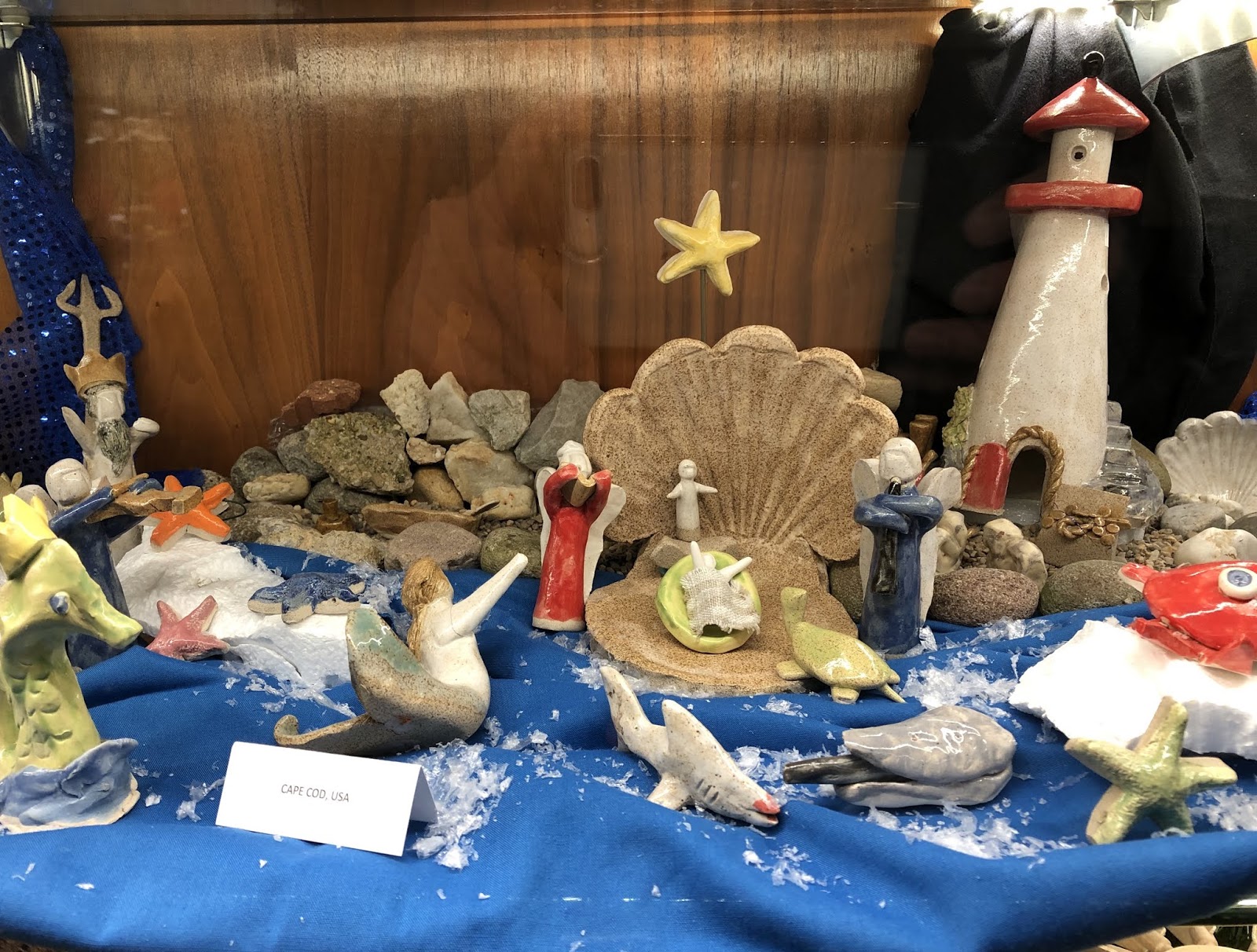
Chiều nay tôi đi viếng hang đá ở nhà dòng Thánh Phanxicô thuộc Tổng Giáo Phận Washington DC. Ở đây có đủ loại hang đá. Chủ đề là: THIÊN CHÚA SINH RA TRONG BẠN TRONG TÔI. Ý muốn diễn tả Thiên Chúa xuống thế làm người không phải chỉ dành cho người Do Thái mà cho toàn thế giới. Mọi dân mọi nước đều được đón nhận Thiên Chúa vào trong cuộc sống của mình. 

Thiên Chúa  muốn cho mọi người được làm con của Chúa. Hơn nữa, theo tinh thần của thánh Phanxicô, mọi chim trời, cá biển và muôn loài tinh tú trên trái đất và sinh vật dưới đại dương đều là anh chị em của con người. Tất cả mọi loài thọ tạo đều được quyền đón nhận Chúa vào trong tâm hồn của mình. Vì thế trong các hang đá có cả hang đá của loài các và loài động vật. Trông thật là dễ thương!


Hang đá truyền thống của người Mỹ


Thiên Chúa cũng sinh ra nơi loài động vật


Hang đá của người Việt: Cây tre là biểu tượng của người Việt, văn hóa tre làng, lũy tre bảo vệ làng ngôi làng khỏi mọi rủi ro


Hang đá của người Mỹ thời bây giờ: 

Chúa Giêsu được sinh ra, đặt nằm trong máng có
Thánh Giuse và Đức Mẹ đang chụp hình selfie
Mục đồng đứng trước hang đá đưa thông tin chia sẻ lên mạng
Chiên cừu (động vật) của người Mỹ được mặc áo còn đẹp hơn cả con trẻ
Bên phải là ba vua của thời hiện đại, là ba nhân viên của cung ty Amazon, cty chuyên mua bán qua mạng, đang vận chuyển hàng hóa cho khách hàng.
Họ chạy xe scuter, một loại xe điện rất thịnh hành trong các thành phố nước Mỹ, ý nói họ phải cấp tốc giao hàng cho kịp trước ngày lễ Giáng Sinh  


Nhiều người nhận xét rằng, Noel bây giờ đã bị tục hóa


Nơi nào cũng chạy đua làm cây thông thật cao, trang trí hang đá thật lung linh, 
Ở đâu cũng chuẩn bị nhiều chương trình văn nghệ vui nhộn
Nhà nào cũng lo chuẩn bị thật nhiều đồ ăn thức uống 
Bạn bè người thân thi nhau gói quà để đổi trao đổi quà.


Những công việc bận rộn này có giúp mỗi chúng ta thấy được ý nghĩa đích thực của ngày lễ Giáng Sinh hay không.


Bằng không, chúng ta hãy nhớ rằng

Khi viếng hang đá là lúc chúng ta cầu nguyện với Chúa, với Đức Mẹ và Thánh Cả Giuse
Vì các ngài là "Nhân vật chính" của ngày lễ trọng đại này
Nhờ các ngài mà chúng ta mới hiểu được ý nghĩa của Mầu Nhiệm Nhập Thể của Chúa Giêsu


Vì thế, khi viếng hang đá chúng ta nhớ đọc kinh sau đâu:


KINH VIẾNG HANG ĐÁ

Lạy Chúa Giêsu Hài Đồng, là Con Đức Chúa Cha hằng có đời đời, Chúa đã giáng sinh làm người để cứu độ trần gian, chúng con hợp cùng Đức Mẹ và Thánh Giuse mà thờ lạy tạ ơn kính mến Chúa, chúng con đồng thanh với các Thiên Thần và các mục đồng mà chúc tụng Chúa rằng :

Vinh danh Thiên Chúa trên trời, bình an hạnh phúc cho người trần gian.
Chớ gì lòng chúng con nên như hang đá cho Chúa giáng sinh, chớ gì lòng chúng con nên như máng cỏ cho Chúa ngự.

Lạy Đức Mẹ Maria. Mẹ đã sinh Chúa Giêsu cho loài người, xin giúp chúng con hăng hái loan truyền mầu nhiệm Giáng Sinh và Nhập Thể khắp nơi.

Lạy Đức Mẹ Maria là Mẹ Thiên Chúa, là Mẹ uy quyên cao sang, xin cho Tổ quốc và Giáo hội Việt Nam muôn ơn lành hồn xác, và cho mọi người nhận biết Đức Chúa Giêsu là Chúa Cứu Thế, và thương yêu nhau như Chúa truyền dạy.

Lạy Thánh Cả Giuse, là Đấng thay mặt Đức Chúa Cha nuôi dưỡng Chúa Giêsu ở trần gian, là Đấng rất mạnh thế hằng cầu bầu cùng Con Thánh của Người bênh vực che chở chúng con, xin cho chúng con biết sống đơn sơ khiêm nhường, chăm chỉ làm việc, mộ mến suy ngắm và thực hành Lời Chúa, để chúng con được sống an vui như Thánh Gia xưa.

Lạy Chúa Giêsu Hài Đồng, Đức Mẹ Maria và Thánh Cả Giuse, xin cho chúng con lĩnh được những ơn rất trọng bởi Mầu Nhiệm Nhập Thể. 

Amen.


(Source: https://www.facebook.com/conggiao.info)

18.12.18

A Person Who Has Made a Difference: Pope Francis


Pope Francis has been known as a person who has changed the face of the Catholic Church in many ways. He is always willing to come close to and talk with people in public places. He often uses media and encourages believers, especially young people, to use it as a tool of proclaiming good news to the world. Traditionally, when the popes appeared before the crowd, they used to follow the guidance of organizers or bodyguards. Pope Francis, however, usually “breaks” the rules to help people in need. For example, on the way to meet with the youth in Krakow, Poland, in 2016, he asked the driver to stop the car. He then got out of the car walked to the elderly people, patients, and children, who were quietly staying in the invisible corners. He shaked hands, embraced, and blessed them. Most people who witnessed this significant situation felt really impressed and touched. That is why they call Pope Francis “the people’s pope. 

In addition, other popes very conservative in using media, especially internet, which was considered as a negative tool that people are using to show some unhelpful or unhealthful thoughts. In contrast, Pope Francis virtually has a positive opinion on internet. He believes that internet is a very important tool should be used to share our faith. As a result, he occasionally uses facebook, twitter, youtube, and other programs to talk and to pray wiht people. For instance, Pope Francis recently appeared on TED Talk to talk about a topic “The future You.He also showed a livestream on internet when he talked with the astronauts about “Mans Place in the Universe”. These programs have gained millions views

Moreover, in 2016, Poland, in the talk with youth for over the world, he directly invited them: “Leave your comfortable room, to be with the people, by using high technology to share good news.In fact, today most of young people are willing to hang out several hours a day with their friends online. Following the invitation of Pope Francis, many youth are using the internet to share their faith with the faith-seekers and nonbelievers. 

These eventually are some different ways that we can change the face of the Catholic Church. Pope Francis is the person who has been leading the way.


11.12.18

ĐI BÃO

Gần đây trên các phương tiện thông tin hay trong các cuộc nói chuyện của người Việt Nam xuất hiện một ngôn từ rất mới và nghe rất có “mốt”, đó là “Đi bão”. Theo định nghĩa của Wikipedia bản tiếng Việt, thì “đi bão” hay “bão đêm” là từ chỉ một hiện tượng, một phong trào trình diễn xe và đua xe hàng ngang về đêm trên các tuyến phố hay các đa đim du lch của thế hệ trẻ Việt Nam, đặc biệt là thế h 9X. Bão đêm thường tập trung ở các thành phố lớn như Hà Nội và Thành phố Hồ Chí Minh những sự kiện lớn xảy ra trong nước, hay những ngày lễ lớn của thế giới”.

Còn trong Wikipedia bản tiếng Anh thì vỏn vẹn được viết bởi một câu định nghĩ: “đi bão, a slang means to go to celebrate on the streets with motorbikes racing around the city.” Tạm dịch: đi bão là một tiếng lóng dùng để diễn tả đoàn người chạy xe máy ra phố mừng chiến thắng.
ĂN MỪNG
Nói đến ăn mừng, nhất là ăn mừng các trận thắng của đội tuyển Việt Nam gần đây chẳng hạ, là một việc làm hết sức xứng đáng. Người Việt Nam thích thể thao, nhất là môn bóng đá. Vì thế có người nói rằng “ăn thể thao, chơi thể thao và uống cũng thể thao.” Khắp mọi nơn trên nước Việt, từ thành thị đến nông thôn đi đâu cũng có sân bóng đá, hơn nữa không chỉ có nam giới đá bóng mà nữ giới cũng rất say mê trái bóng. Vì thế khi thấy các cầu thủ Việt Nam, dưới sự dẫn dắt của huấn luyện viện người Hàn Quốc Park Hang-seo thắng nhiều trận để vào chung kết thì chúng ta ăn mừng để chúc mừng họ.
Người Việt chúng ta say mê bóng đá, vì thấy bóng đá là môn thể thao vua. Và người Việt chúng ta thấy hụt hẫng về những giải đấu trong nước, vì thi đấu ở các giải này cầu thủ chỉ chơi bóng vì ý của ông trùm câu lạc bộ, họ bảo chơi sao thì chơi vậy, thậm chí có nhiều gian lận trong đó. Còn khi thi đấu ở các giải quốc tế thì khán giả thấy được tính đẹp mắt của bóng đá, lòng khao khát thể hiện chính mình của các cầu thủ. Người Việt thấy được chính mình trên từng các cầu thủ, khi họ muốn vượt qua ranh giới quốc gia và vươn mình ra thế giới bên ngoài. Nên khi chiến thắng họ rất vui mừng, gào thét và chạy như điên cuồng. Vì thế mới có đặc điểm thứ hai: Chạy ra đường.

RA ĐƯỜNG
Chạy ra đường là để chung vui với mọi người. Vì niềm vui này là niềm vui chung của cả một cộng đồng. Trên thế giới, khi đội bóng của một quốc gia hoặc một câu lạc bộ nào chiến thắng thì người hâm mộ cũng đổ ra đường ăn mừng chiến thắng của các cầu thủ vậy.
Một điều khác biệt ở đây là ở các nước khác việc ăn mừng này rất có tổ chức. Thông thường họ tập trung đến các sân vận động, quảng trường, hay các nơi công cộng, nhưng nơi nào cũng có ban tổ chức, có cảnh sát giữ trật tự. Còn riêng ở Việt Nam ta thì người hâm mộ đổ ra đường, vô tổ chức, đi về lối nào cũng chẳng ai biết. Thêm vào đó, chính quyền cũng không bố trí đủ cảnh sát để bảo đảm trật tự, thế nên “bão” cứ thế mà hoành hành, đoàn người đi bão cứ thế mà la hét, lột áo cởi đồ trên đường phố, thậm chí các cô gái trẻ để ngực trần, leo lên yên xe nhảy nhót, còn các chú thanh niên cứ thế mà “hôi của”.
Thật đáng tiếc, việc ăn mừng chiến thắng lại trở thành một việc làm vô văn hóa, thậm chí có tính trụy lạc. Không chỉ thế, đi bão hình như phải có điều kiện. Theo từ điển Wikipedia tiếng Việt, “điều kiện tối thiểu để tham gia bão đêm là cần có một chiếc xe máy hoặc mô tôxe ga có dung tích từ 110cc trở lên. Tùy độ chơi hay hoàn cảnh mà các quái xế có thể chọn cho mình những chiếc xe khác nhau.

ĐUA XE
Đọc đến đây có là nhiều người sẽ nói rằng làm gì có chuyện đó, tôi cũng đi bão nhưng đâu có ai đòi hỏi điều kiện gì đâu, cũng đâu thấy ai lột quần hay cởi áo chạy dọc đường đâu. Thực ra, khi đi bão chúng ta thấy vui nên không cảm thấy nguy hiểm, nhưng khi lên internet xem những đoạn video về các “cơn bão” thì chúng ta phải công nhận nó thật sự nguy hiểm, vì đa số người đi bão không đội mũ bảo hiểm, chạy xe máy với tốc độ rất kinh hoàng. Hơn nữa, sau những “cơn bão” như thế này, qua nhiều thông tin chúng ta cũng biết có hàng chục người chết vì tai nạn do “bão đêm” gây nên. Bình thường ra đường không đội mũ bảo hiểm sẽ bị phạt, còn đi bão thì xem như “hợp pháp.”, thậm chí xe máy chở ba chở bốn cũng không sao.
Nói chung, ăn mừng là một việc làm rất cần thiết để cám ơn sự cống hiến của các cầu thủ và chúc mừng vi họ đã chiến thắng. Nhưng chúng ta lựa chọn những cách ăn mừng vừa có văn hóa vừa ăn toàn cho tính mạng của mình và của người khác. Còn nếu ăn mừng bằng các đi bão, chạy xe ra đường không đội thâm chí gây mất trật tự công cộng, gây ùn tắc giao thông, gây tai nạn chết người, thậm chí cổ súy cho phong trào đua xe thì không nên chút nào.


Nghệ sĩ Chiều Xuân được khen khi mặc áo dài ra phố mừng chiến thắng của đội tuyển Việt Nam vào đêm 6/12/2018


Nghệ sĩ Chiều Xuân viết trên facebook khi được bạn bè khen

(Hình sưu tập)

Sứ Vụ Truyền Giáo: Lời Cam Kết Của Thành Viên Phong Trào Cursillo

  Sứ Vụ Truyền Giáo: Lời Cam Kết Của Thành Viên Phong Trào Cu rsillo   1.       Dẫn nhập Buổi chiều ngày cuối cùng khóa “khóa ba ngà...